Service 01
AI integration that works inside your tools.
We connect language models, speech AI and machine learning to the software your business already runs on, so AI does real work inside your workflows instead of living in a separate chat window.
What AI integration covers
Most businesses do not need a new AI product. They need the tools they already use (the CRM, the helpdesk, the inbox, the phone line) to get smarter. AI integration is the engineering that makes that happen: choosing the right model for each task, connecting it to your data and systems, and wrapping it in the checks that make it safe to rely on every day.
Our work falls into four areas:
- Language models in your workflows: assistants that draft, summarize, classify and answer questions, grounded in your own documents and records.
- Conversational and voice AI: chat and phone agents that hold natural conversations, cope with interruptions and hand over to a person when they should.
- Document processing: reading invoices, forms and contracts, extracting the fields that matter and passing them to the systems that need them.
- Predictive models: predictive maintenance, anomaly detection and forecasting from the data you already collect.
Where AI pays off first
The best first projects share three traits: the task is repetitive, it happens often, and a person can easily check the result. That is why customer conversations, document handling and sales operations are usually where AI earns its keep fastest, and why we steer clients away from vague 'AI strategy' projects with no process attached.
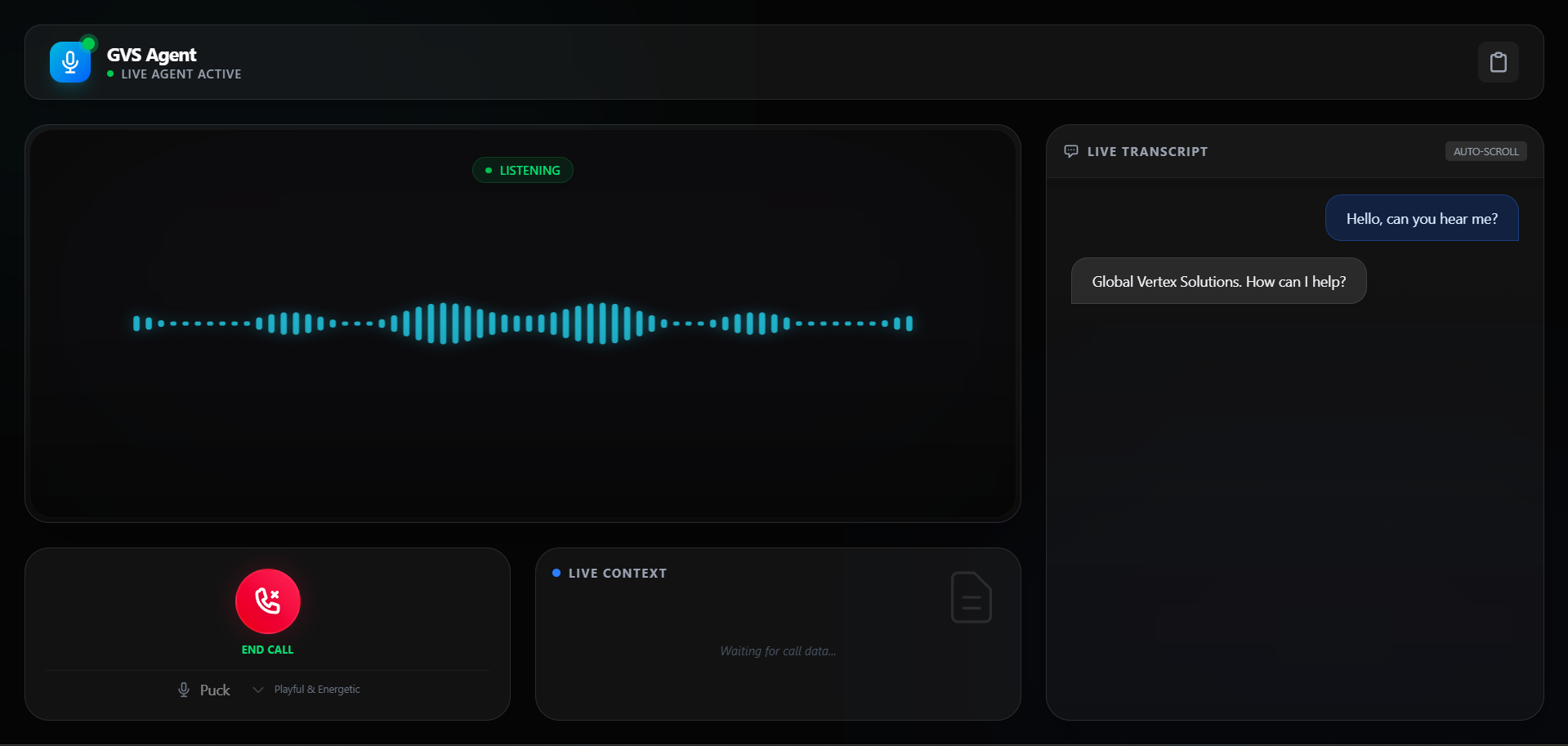
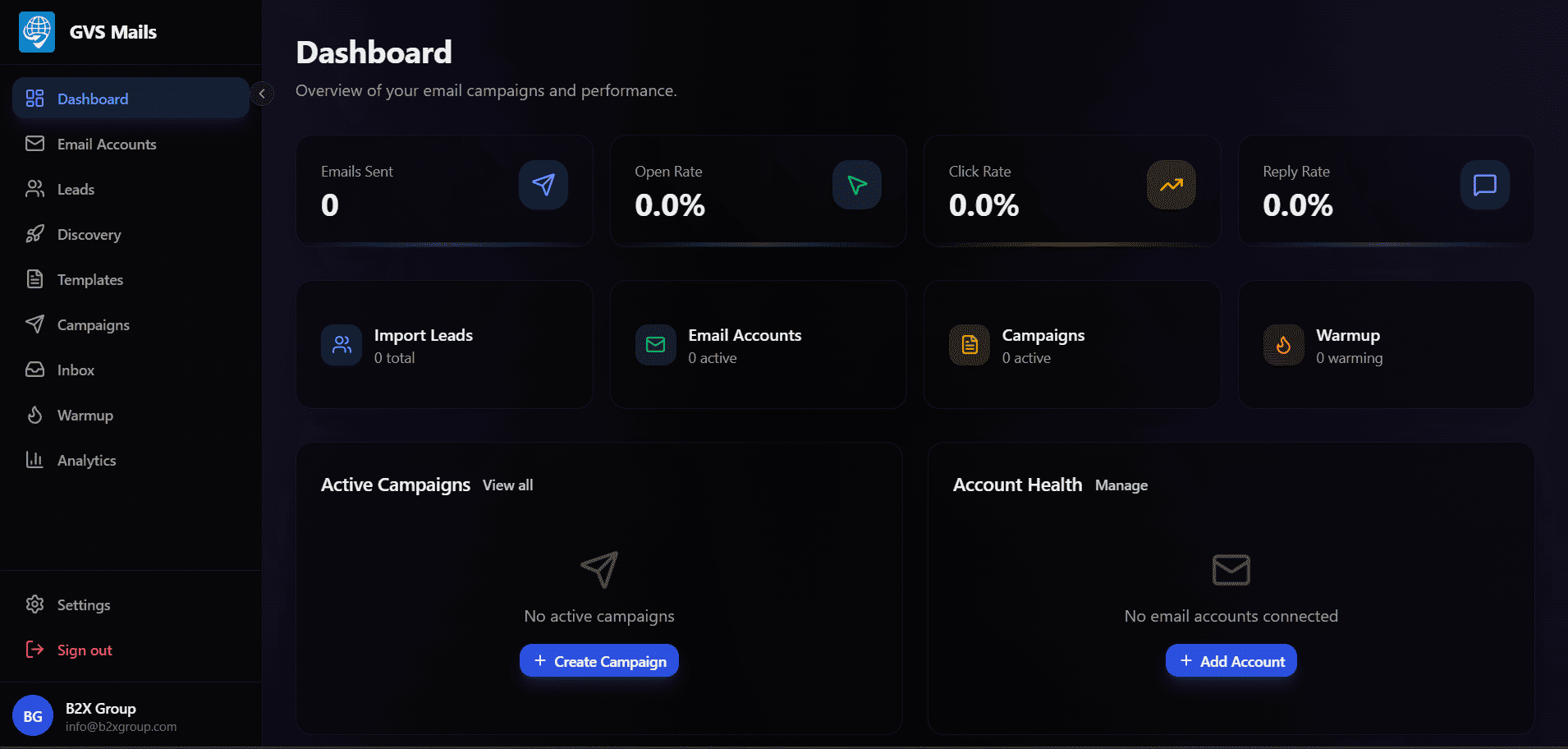
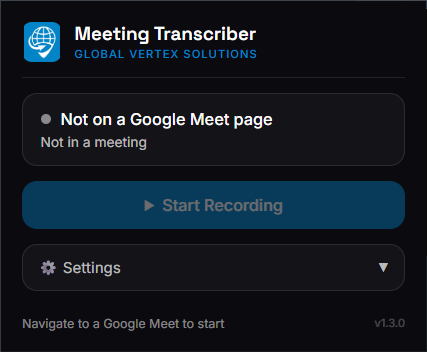
For one client we built a real-time AI voice agent that answers support calls in under 800 milliseconds, fields more than 10,000 queries a month and resolves 85% of them on first contact. A meeting transcriber we built turns Google Meet and Zoom calls into speaker-labeled transcripts and summaries without a bot joining the call. And our cold email engine uses AI to write a relevant opening line for every prospect, at a scale no team could match by hand.
In each case the AI works inside something the team already had: the support line, the video call, the outreach campaign. That is what makes the result stick: people keep working the way they know, and the busywork around them quietly disappears.
Not every problem needs AI, and we will say so. If a task follows fixed rules, plain automation is cheaper and more predictable. If mistakes are costly and hard to spot, a person should stay in the loop. The right answer is often a mix of the two.
Integrating AI safely
A demo that works nine times out of ten is easy. A system your team can trust every day takes more care, so every integration we ship is built around four safeguards:
- Grounding: the model answers from your approved data, and says so when it does not know.
- Human review where it matters: people approve anything that moves money or cannot be undone, and conversations pass to a person when they need one.
- Evaluation: we test the system against real examples before launch and keep measuring its accuracy afterwards.
- Latency and cost budgets: we use the smallest model that does the job well, so responses stay fast and running costs stay predictable.
Your data stays under your control. We design what each model can see, and where your data is processed, around your privacy and compliance requirements from day one, including GDPR for European customers.
From prototype to production
Every engagement starts with a short discovery phase to find the process with the best return. We then move quickly to a working prototype you can test with real cases, because an hour with a prototype answers more questions than a week of slides. From there we harden it for production: integrations with your systems, monitoring, fallbacks and documentation your team can own.
AI rarely works alone. It usually pairs with process automation that moves its output where it needs to go, and often with a custom platform around it. Read where AI automation pays off first for a practical starting plan, or tell us about the process you want to improve.
Case studies
AI Integration, in practice.
FAQ
Frequently asked questions.
Common questions about our AI Integration service.
We are model-agnostic. We use leading hosted models, such as OpenAI's, for language tasks, specialized services like Deepgram and Cartesia for speech, and open-source models where data has to stay on your own infrastructure. We choose per task, weighing accuracy, speed and cost, and design the system so a model can be swapped later.
Usually not. Modern language models work well with your existing documents and a set of good examples, and many projects need no model training at all. What matters more is access to the systems where the work happens. We review what you have during discovery and tell you honestly if a use case is not ready yet.
Yes. Integrating with the tools your team already uses is the core of what we do, through their APIs wherever possible. Our AI voice agent, for example, routes complex requests straight into the client's enterprise CRM.
A focused proof of concept typically takes four to six weeks, and a production rollout a few months, depending on scope and integrations. We agree milestones up front, so you see working software early and decide what comes next with real results in hand.
We define success before we build: resolution rate, time saved, error rate or cost per task, whichever matches the goal. Those numbers are tracked from launch, alongside quality checks on real conversations or documents, so improvements are based on evidence rather than impressions.
Still have a question? Email us
More services
Everything else we build.
- 02 Custom Platforms Web, mobile and SaaS products shaped around how your business works.
- 03 Process Automation Workflows that run themselves across your existing software.
- 04 Data Analytics Pipelines and dashboards that turn raw data into decisions.
- 05 System Architecture Cloud infrastructure that stays fast and available as you grow.
Let’s talk
Have a project in mind?
Tell us what you’re building. The first consultation is free.
Prefer email?info@b2xgroup.com